

The Benefits of Having an EICR Certificate
Landlords are accountable for the security of their tenants. Therefore, it is essential that rental properties conform to certain electrical standards.
These standards are intended to lower the risk of fires and electric shocks by making sure that all electrical fittings are in good working order. The most recent regulations require landlords to conduct an EICR test every five years.
Protection
The EICR certificate could be used to prove you took all the necessary precautions to protect anyone who lives or works on the property in the event of a fire , or an electrical shock. This can help in reducing costs for damage and legal fees since you can prove that you have not neglected your obligations as the owner of a business or as a landlord.
Numerous insurance companies insist that businesses and landlords get their electrical systems inspected regularly. Failure to do so could result in your coverage being cancelled. This could result in financial difficulties , and even the possibility of a court proceeding.
For instance If your business uses an electric oven, and you don't inspect it often, it's possible the appliance will break down during a fire. This could cause severe damage to your kitchen and your customers' food.
It is vital to arrange an eicr inspection , and have it completed by an electrician. This will provide you with peace of mind that your electrical system is in good in good condition and won't cause any issues in the future.
The Electrical Safety Standards in the Private Rented Sector (England) Regulations 2020 came into effect on July 1, making an eicr certificate a legal requirement for all landlords across England and Wales. This requires that all buildings are examined every five years and that tenants get an EICR in good standing before the start of a new tenancy.
Landlords have 28 days to send the copy to tenants currently living in the property. They must also provide the document to potential tenants prior to they move into the property. eicr certificates may apply a fine as high as PS30,000 or order the remedial works.
The eicr certification should only be completed by electricians with the appropriate qualifications. It should be a thorough report that lists all the electrical appliances in the building, including any faults and any repairs that are needed. It should also include a current schedule of tests as well as any recommendations for future work.
Energy Efficiency
As electrical systems age, they will begin to experience issues that can be costly to rectify. These problems can be identified and rectified by regular EICR inspections.
This is especially important for rental properties that have high energy costs. In following the recommendations made in the EICR, landlords can save money on their electricity costs and also reduce carbon emissions.
It is an obligation of law that private property owners perform an Electrical Installation Condition Report (EICR) on their property every five years. They must also provide a copy of the report to every tenant as part of their tenancy agreement. This is an excellent way to be sure that your tenants are safe in their home.
A qualified and competent person will carry out the EICR. The report will detail any damage, deterioration or defects that are identified and recommendations for improvement to ensure the safety of your tenants. The inspector will note any problem in the report with an "FI" code. This implies that additional investigation is required before an appropriate solution is found.
Once the work has been carried out and the report is deemed to be satisfactory the landlord must give written confirmation that it was completed to the tenant as well as the local authority. Additional investigation may be required within 28 days or in a shorter timeframe as stipulated in the report.
In addition to testing the electrical system, an EICR will also verify that the appliances you have on your home are in a safe and legal state of use. This could include things such as TVs, lamps, and toasters, which could all be defective if they're not maintained in a proper manner.
This is a vital aspect of being a responsible landlord and can potentially save you lots of money in the end. You'll not only be able to ensure your tenants' safety, but you will also save money on legal fees and potential damage in the event that an electric shock or fire occurs.
Peace of mind
One of the major advantages of having an eicr certificate is the assurance it can provide to your home and you. Whether you own or rent out your property, the last thing you want to deal with is an electrical fire or accident that can lead to costly repairs.
The latest regulations have the minimum requirement for all private landlords to have an EICR in place by April 2021, which makes it vital to get one done before the big day. It not only shows that you are concerned about your property, but it also shows the occupants of your home or business that you have made safety a top priority.
The process of obtaining an EICR certificate isn't easy however it's a worthwhile investment for any building owner, property manager or tenant. A properly completed EICR can save you money in the long run because it can identify potential issues that could have been avoided with a little forethought and a little bit of extra effort.
A licensed engineer should conduct an EICR inspection on a property where people are likely to live or work. This will give you more information about your electrical system. This will allow you to make informed decisions regarding how to ensure your home's safety and minimize your carbon footprint.
There is no doubt that an EICR certificate is the most effective and most efficient investment you can make for your home. Contact us today if are looking for a premium EICR to help improve your property.
Reduced Risk
All landlords of private tenants have to be able to obtain an electrical installation condition report (or EICR) to ensure that their electrical installations remain safe for tenants. A valid EICR must be obtained and updated at least every five years if the premises are used for commercial purposes.
An EICR inspection is a process that involves an electrician testing and inspecting the electrical wiring in your property to determine whether it meets BS 7671 standards for safety. The inspector then provides a report detailing the findings of their inspection.
This will reveal whether there are any issues regarding the electrical wiring in your house, as well as providing information about any potential hazards within the vicinity. Your electrician might recommend that you immediately start corrective actions or isolate one circuit until repairs can be made.
The electrician will then give you a detailed report that includes their findings, suggestions as well as suggested solutions. You will also receive a breakdown of any issues found, along with four error codes (C1 C1, C2, FI, and) detailing the level of risk.
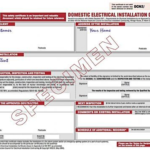
C1 - You should take immediate action. If this is the case your electrician will repair or fix the issue right away. This will ensure that your tenants do not be harmed or injured because of the problems they are experiencing.
A time frame for the remedial work must be included in the report. This is typically 28 days. However when you have an item that specifies an alternate timeframe it is crucial that the work is completed within this time frame to prevent further damage.
It is important to make sure that any remedial work done by a qualified person. This will avoid any legal or legal misunderstandings. The professional who is certified should have an inspection and testing qualification place, as well as relevant experience.
A high-quality EICR will also reveal any areas of improvement that could help reduce your energy usage and improve your carbon footprint. This can lower the cost of energy and may even save you money in the future.